
The textile industry is undergoing significant changes, driven by digitalization, the modernization of production methods and evolving organizational needs. In an increasingly competitive environment, companies are required to rethink their working methods, optimize their processes and adopt new solutions to improve their overall performance.
These transformations are creating new opportunities for collaboration between textile industry stakeholders and companies specializing in technology solutions and human resources.
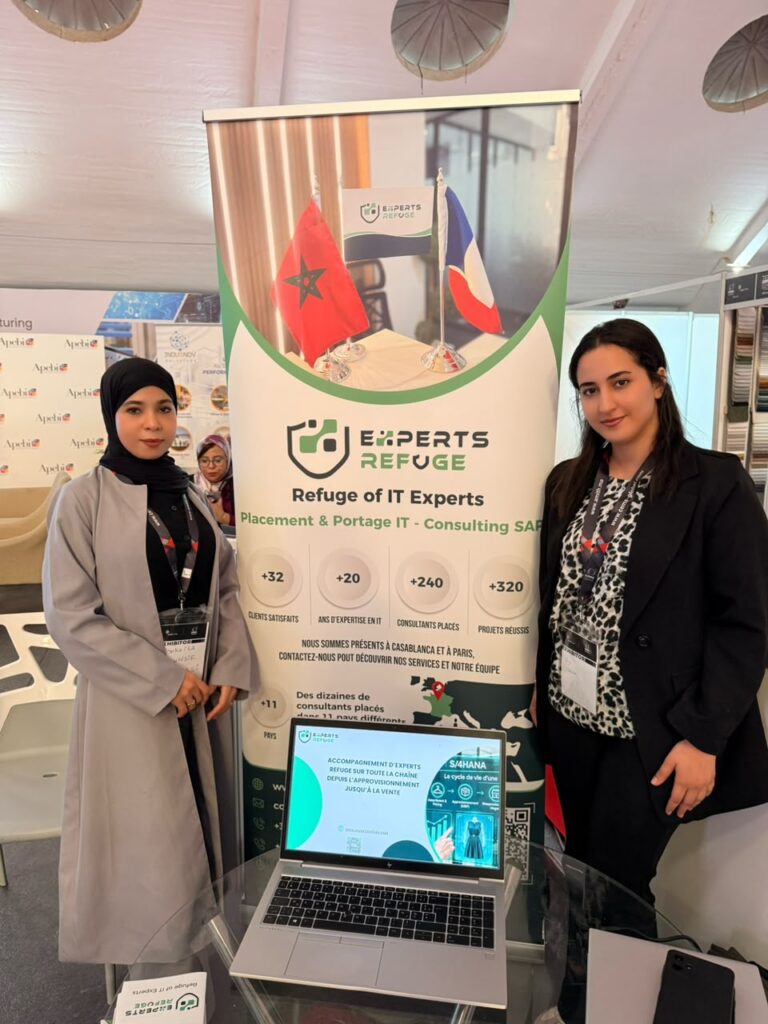
SAP Fashion & Retail: Digital Transformation in the Fashion and Retail Industry 🌍
SAP Fashion and SAP Retail are digital solutions designed to support companies operating in the fashion, textile and retail industries. They help businesses manage their operations, improve productivity, optimize resources and respond to the evolving needs of the market. From clothing manufacturing to product distribution and customer sales, SAP provides integrated tools that connect different departments and simplify business processes.
SAP Fashion focuses on the specific needs of the fashion and textile industry. It supports companies in managing their collections, clothing models, sizes, colors, raw materials, production processes and inventory. For example, a textile manufacturing company can use SAP to monitor production orders, manage supplier relationships, track raw materials and ensure that finished products are delivered on time. This allows manufacturers to improve production planning, reduce costs and maintain better control over their activities.
SAP Retail, on the other hand, focuses on the commercial and distribution side of the industry. It helps retail companies manage their stores, sales, inventory, pricing, promotions and supplier orders. For example, a fashion brand operating several stores can use SAP to monitor product availability in each location, identify its best-selling items, analyze sales performance and organize stock replenishment. It also supports the integration of physical stores and online shopping platforms, creating a more connected shopping experience for customers.
In Morocco, SAP Fashion & Retail represents an important opportunity for the textile and clothing industry, particularly for companies involved in manufacturing, subcontracting and international exports. Digital transformation enables these businesses to modernize their production processes, improve supply chain management, strengthen product traceability and meet international market requirements. It also creates new opportunities for collaboration between textile manufacturers, technology providers and digital transformation experts.
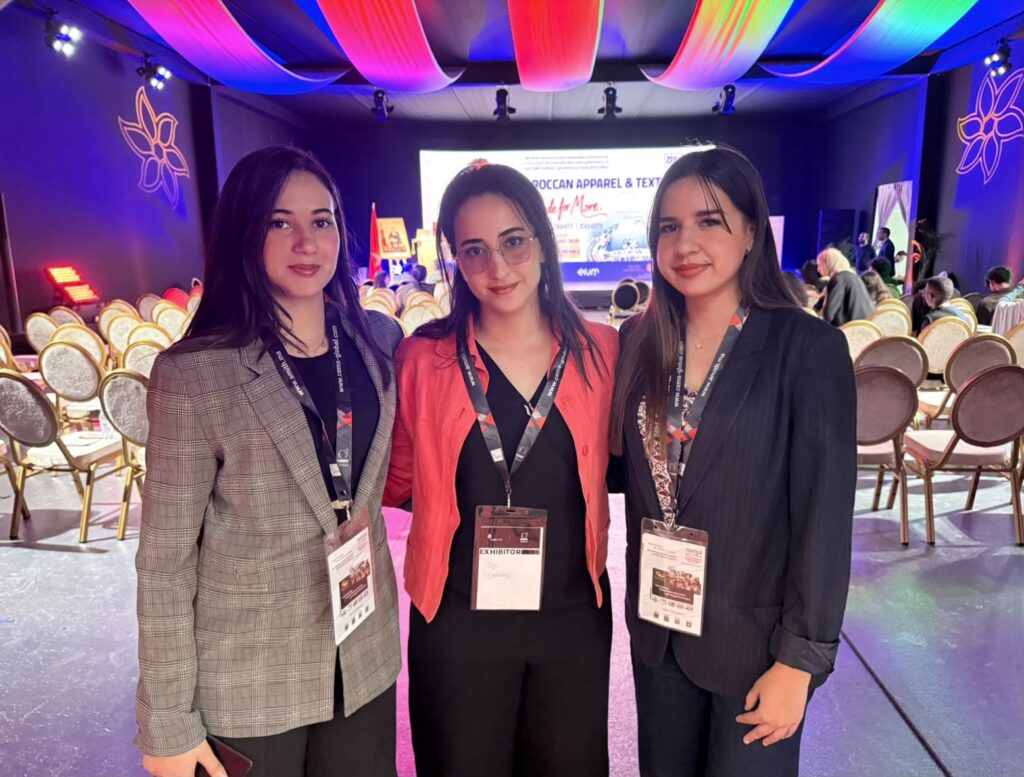
Connecting with Textile Industry Professionals
Throughout the event, our team took an active approach to meeting exhibitors, companies and professionals from the textile industry. Through these direct interactions, we had the opportunity to present our activities, share our expertise and highlight the solutions we offer to support companies in their various projects.
These discussions also allowed us to gain a better understanding of their activities, challenges and needs, particularly in digital transformation, human resources management, specialized talent recruitment and business process optimization.
Building close relationships with industry professionals is essential to understanding real business challenges and identifying collaboration opportunities that address each company’s specific needs.
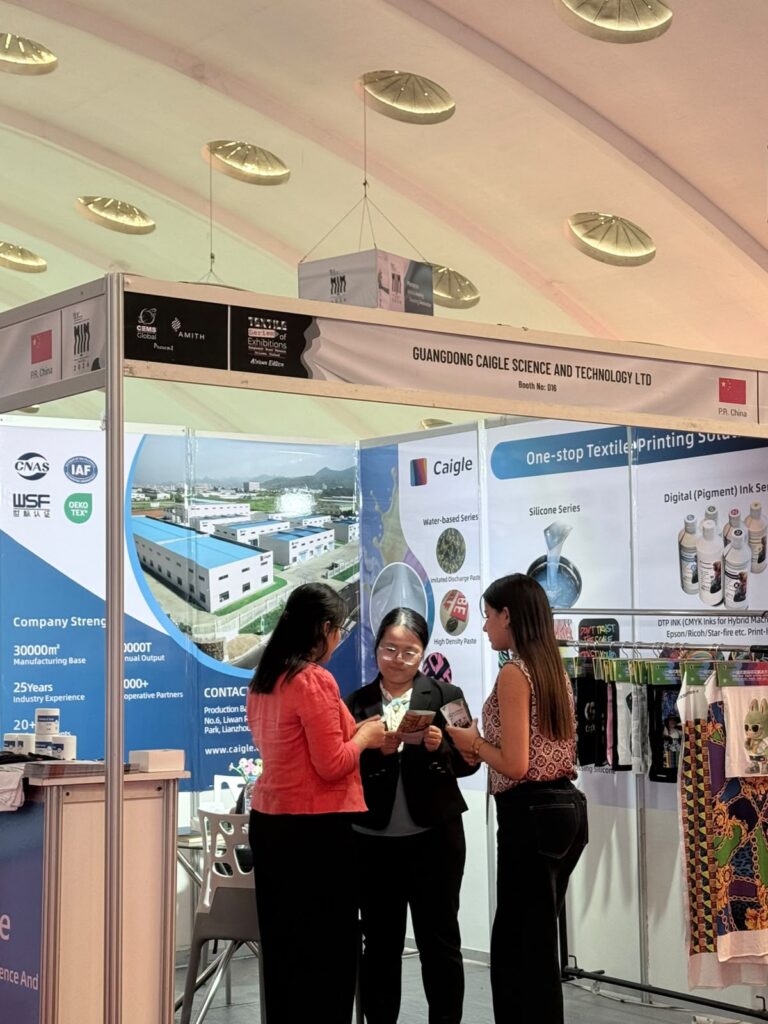
Knowledge Sharing, SAP Discussions and New Collaboration Opportunities 🌐
Beyond the visibility offered by this event, our presence at MIM 2026 was above all a valuable opportunity to build meaningful relationships, exchange experiences and explore new professional opportunities. Meeting industry professionals and engaging directly with exhibitors allowed us to gain deeper insights into the realities of the textile sector, its evolving challenges and its expectations for the future.
These interactions reinforce our belief that combining technological expertise, human capital and industry knowledge is a key driver of business growth and sustainable development. In an increasingly competitive environment, companies need to rely on the right skills, appropriate technological solutions and effective organizational strategies to remain agile and competitive.
Today, digital transformation must become a strategic priority for decision-makers in the textile industry. It is no longer simply about adopting new tools or implementing technological solutions; it is about rethinking management practices, modernizing operational processes, improving productivity and placing innovation at the heart of business strategies.
From production management and supply chain optimization to human resources management and data-driven decision-making, digital technologies offer numerous opportunities to improve efficiency, strengthen coordination and support business performance.
However, successful digital transformation goes beyond technology itself. It also requires a clear vision, strong leadership, skilled professionals and a willingness to embrace change. Decision-makers have a key role to play in identifying their needs, anticipating future challenges and creating an environment where innovation can generate real and lasting value.
At Experts Refuge, we believe that the future of the textile industry will be shaped by the ability of businesses to combine technological innovation, human expertise and strategic vision.
We are convinced that the future belongs to companies that know how to connect people, technology and innovation to turn today’s challenges into tomorrow’s opportunities.